Cool Gadgets: Our Pick of the Best New Tech Innovations
The consumer electronics industry continuously pushes technological boundaries, delivering devices that seemed impossible just years ago. Recent innovations span multiple categories including personal computing, home automation, health monitoring, and entertainment systems. These gadgets showcase engineering excellence and design refinement that define modern technology.
Foldable Display Devices
Foldable smartphones and tablets represent significant engineering achievements combining flexible OLED displays, durable hinge mechanisms, and software optimization for dynamic screen configurations. These devices literally bend rigid expectations about mobile device form factors.
According to the Society for Information Display, flexible display technology required breakthroughs in organic materials, encapsulation techniques, and manufacturing processes. The result enables devices that function as phones when folded and tablets when opened, without compromising display quality or durability.
Technical challenges include ensuring display lifetime through thousands of fold cycles, managing layer stresses at the fold line, and protecting delicate flexible materials from environmental exposure. Solutions required collaboration between materials scientists, mechanical engineers, and display manufacturers.
Mesh WiFi Systems
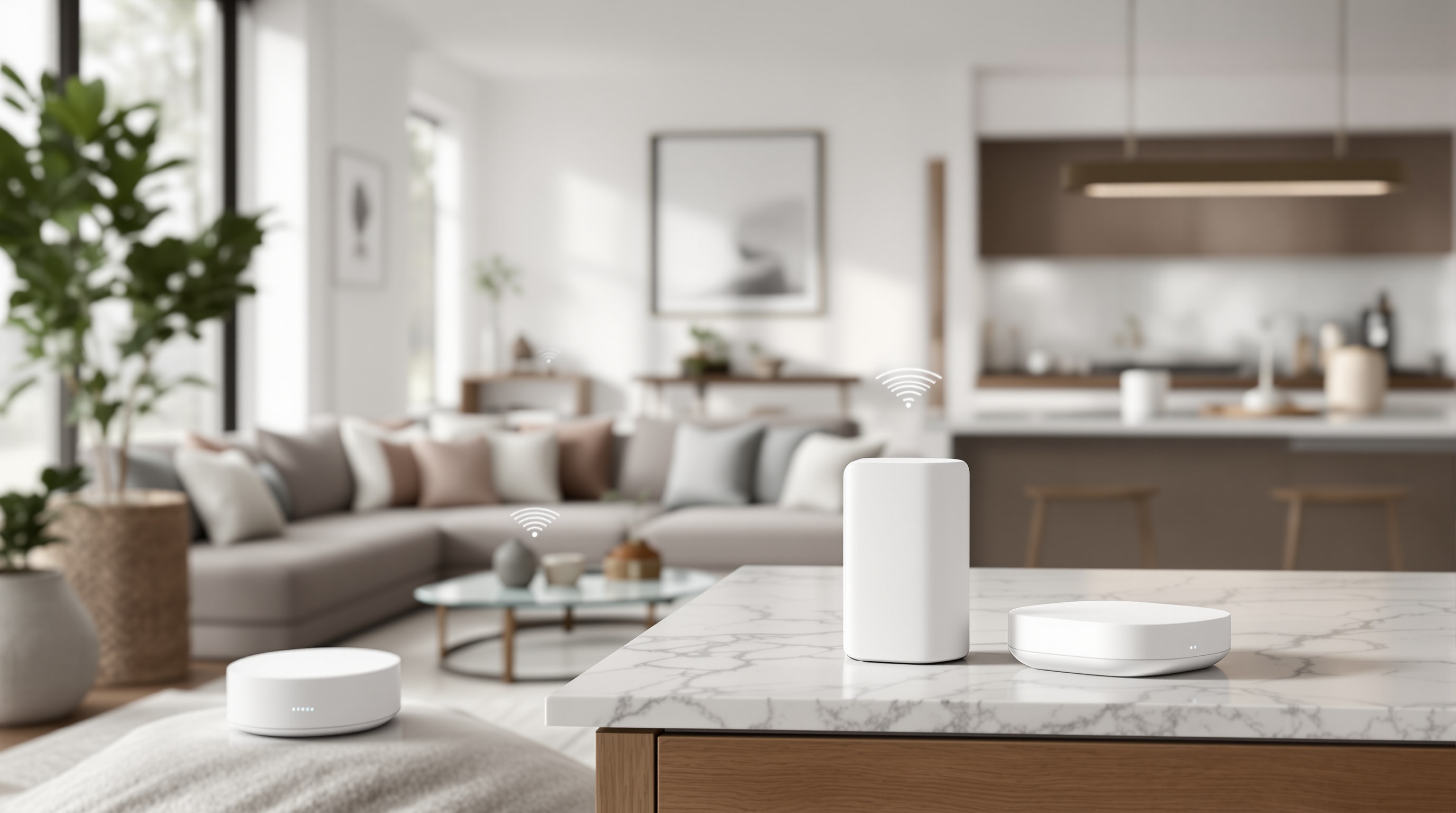
Traditional single-router home networks struggle with coverage in larger homes or buildings with challenging layouts. Mesh WiFi systems use multiple nodes that communicate wirelessly to blanket spaces with consistent coverage, automatically routing devices to optimal access points.
The distributed architecture relies on sophisticated software managing seamless transitions as devices move between mesh nodes. Band steering, load balancing, and self-healing network topology ensure reliable connectivity throughout coverage areas without manual configuration.
These systems demonstrate how improved wireless protocols, more powerful embedded processors, and intelligent software can solve practical problems that plague traditional approaches. The result transforms frustrating connectivity issues into reliable, consistent performance.
Advanced Robot Vacuums with Mapping
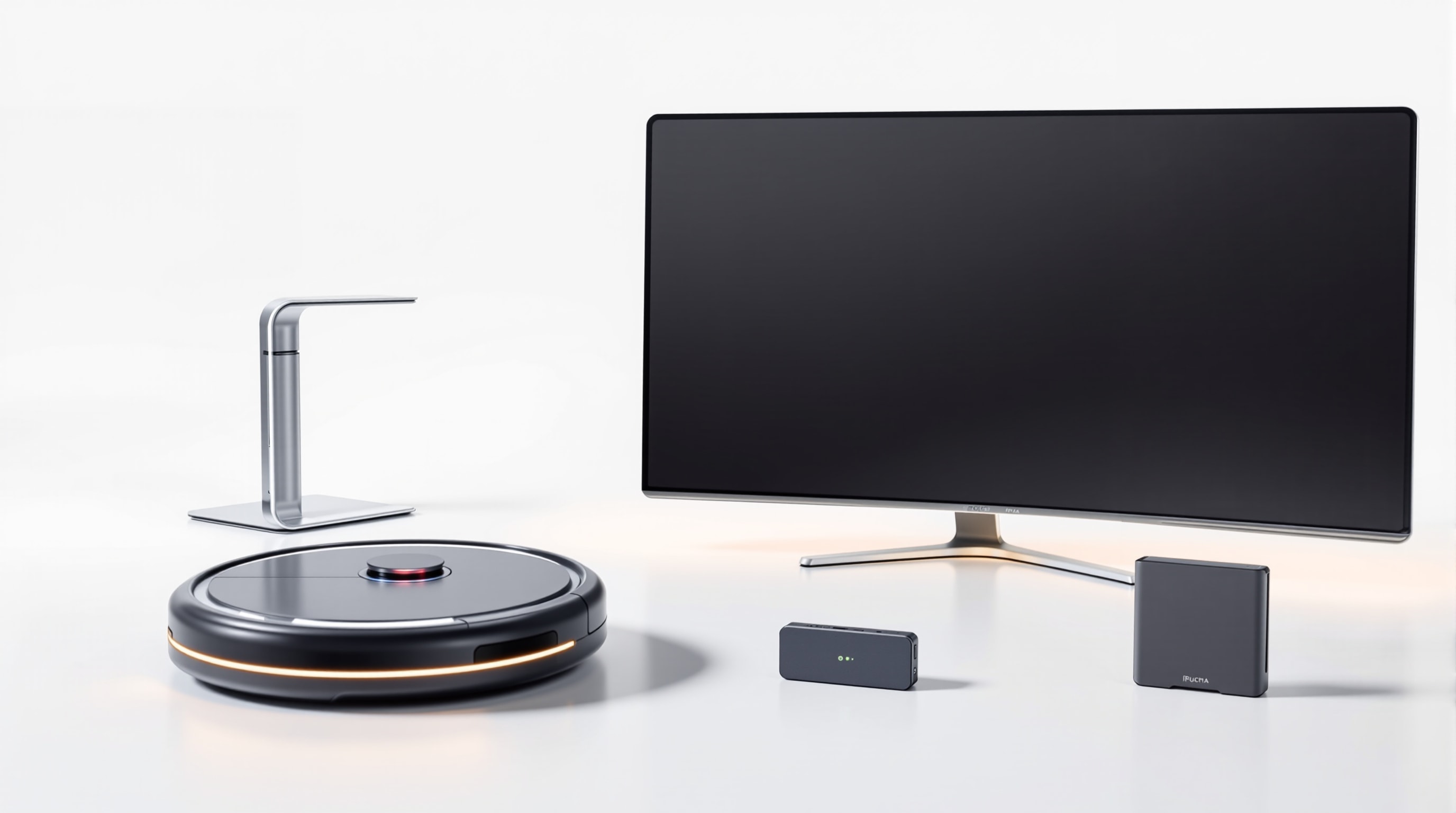
Modern robot vacuums evolved from random-bouncing novelties to sophisticated autonomous cleaning systems using LIDAR mapping, visual SLAM (Simultaneous Localization and Mapping), or structured light scanning. These sensors enable room mapping, efficient cleaning paths, and obstacle avoidance.
The sensor fusion and path planning algorithms represent complex robotics challenges compressed into affordable consumer products. Multi-room mapping, zone cleaning, virtual boundaries, and integration with smart home systems provide capabilities matching dedicated robotic platforms at accessible price points.
Underlying technology includes low-cost LIDAR sensors, powerful ARM processors running real-time operating systems, battery management for 90+ minute operation, and brushless motors providing suction and navigation. The engineering density in these devices is remarkable given their consumer market positioning.
Smart Displays with Voice Assistants
Smart displays combine voice assistant capabilities with touchscreens, enabling visual responses to voice queries, video calling, recipe displays, and smart home control. The multimodal interface makes voice assistants more useful for tasks requiring visual information.
These devices showcase integration challenges spanning far-field microphone arrays, noise cancellation, natural language processing, display interfacing, and cloud connectivity. Thermal management becomes critical when continuously processing audio, displaying video, and maintaining wireless connections in compact enclosures.
The always-listening aspect requires sophisticated algorithms distinguishing wake words from background speech, privacy considerations for camera and microphone access, and clear user controls for disabling sensors when desired.
High-Capacity Portable SSDs
Portable solid-state drives now offer multi-terabyte capacities in pocket-sized packages with transfer speeds exceeding 1000MB/s via USB 3.2 or Thunderbolt interfaces. These drives store massive photo libraries, video projects, and backup archives in devices smaller than smartphones.
The high-speed storage combines NVMe SSDs with USB or Thunderbolt bridge controllers, sophisticated firmware managing wear leveling and error correction, and rugged enclosures protecting sensitive electronics. The result provides desktop-class storage performance in truly portable form factors.
For content creators, these drives eliminate compromise between capacity, speed, and portability. Video editors can work directly from portable SSDs, photographers can archive massive RAW libraries, and professionals can carry entire working datasets in shirt pockets.
Advanced Fitness Equipment with Interactive Training
Modern fitness equipment integrates large touchscreens, streaming connectivity, and interactive training content transforming home exercise. Treadmills, bikes, and rowing machines become gateways to instructor-led classes, scenic routes, and competitive events from home.
The technical infrastructure spans hardware (precision motors, force sensors, position encoders), software (streaming video, workout metrics, social features), and cloud services (content delivery, user progress tracking, leaderboards). The integration creates engaging experiences that increase workout consistency.
Underlying components include industrial-grade motors with precise speed control, resistance mechanisms with fine adjustment, multipoint force sensors measuring power output, and embedded systems coordinating all subsystems while streaming high-definition video over wireless connections.
Compact Thermal Imaging Cameras
Thermal imaging previously required expensive specialized equipment but miniaturization and cost reduction have enabled smartphone-attachable thermal cameras and compact standalone units. These devices visualize temperature differences invisible to human vision, with applications from home inspection to wildlife observation.
Microbolometer sensor arrays detect infrared radiation, converting thermal patterns into visible images. Processing algorithms calibrate sensors, apply false-color palettes, and overlay temperature measurements. The physics of thermal detection combined with signal processing creates useful imaging from temperature variations.
Professional applications include electrical inspection, HVAC diagnosis, and building envelope assessment. Consumer uses range from finding heat leaks to spotting wildlife at night. The accessibility of thermal vision opens creative applications previously impractical due to cost and size barriers.
The Engineering Behind Innovation
These gadgets demonstrate how semiconductor integration, battery technology, wireless connectivity, and intelligent software combine to enable new capabilities. Many rely on the same fundamental component technologies: microcontrollers, power management ICs, sensors, wireless modules, and sophisticated firmware.
Understanding the technology underlying consumer innovations provides perspective on broader electronics trends applicable across industries. Components enabling today's cool gadgets become tomorrow's industrial systems, medical devices, and automotive features.
For insights into electronic components that enable these innovations, visit our product lines page or explore the diverse markets we serve throughout the electronics industry.